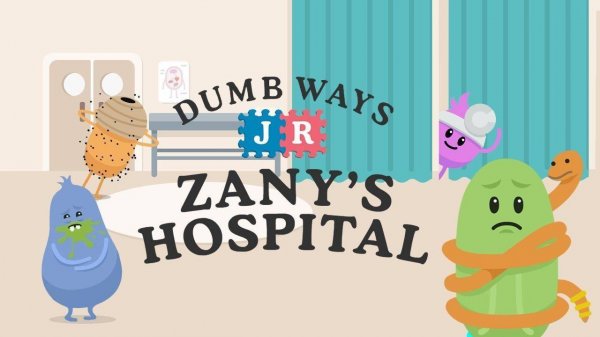
Friendly Patients, Simple Problems
Each clinic visit introduces a new character with a lighthearted issue. One patient might have a bump from a playful tumble; another might feel full after too many treats. Children pick which character to help, then follow straightforward on-screen prompts to provide care. Tasks include placing a colorful patch, handing over a soft toy, or adjusting a funny hat. These actions are built for small hands and reward a gentle touch.
Tap, Drag, and See What Happens
Controls rely on basic tap and drag gestures that match the abilities of toddlers and preschoolers. A tap might wipe a forehead; a drag could position a bandage on a scraped knee. Every action triggers a positive reaction from the patient, which reinforces cause and effect. There are no time limits and no failure states, so children can explore at their own pace. This structure builds confidence and allows repeated practice of fine motor coordination. Cheerful sounds and visual rewards follow each completed task.
A Calm, Welcoming Clinic
Bright, saturated colors fill every screen, and the character designs stay friendly throughout. Backgrounds show a clean, welcoming clinic with toys and colorful decorations. Sound effects are playful and soft, with gentle music that maintains a calm mood. Voice cues and simple text prompts guide non-readers through each step. The overall presentation aims to create a safe space where children feel comfortable participating, which may help reduce anxiety around real-world medical settings.
Learning Hidden in the Play
Empathy and problem-solving are woven into every activity. As children help each patient, they practice recognizing emotions like surprise or discomfort. The game encourages talking about feelings, such as asking what might cheer up a sad character. Simple puzzles require matching the right tool to the problem, like giving a cold pack for a bump. These low-stakes challenges promote logical thinking without pressure. Parents can join in to discuss the scenarios, turning screen time into a shared learning moment.
Short Sessions, No Pressure
Sessions last just a few minutes per patient, which suits young attention spans. There is no competitive scoring or leaderboard, so the focus stays on kindness and exploration. Children can revisit the clinic as often as they like, meeting returning characters with new funny mishaps. Repetition builds familiarity and mastery of the tasks. The absence of timers or high scores means no frustration, only positive reinforcement. It works well for quiet play at home or during travel.










Comments
0 comments