Core Flight Mechanics
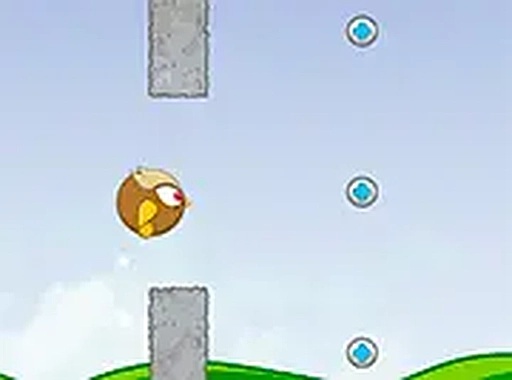
In Nocturnal Glide Runner, players control an owl's altitude by tapping or clicking. Each input makes the owl rise, and releasing lets it descend. The challenge lies in finding the right rhythm to slip through gaps that appear at varying heights. Over-flapping pushes the owl too high, while hesitating causes it to drop. This simple input system creates a satisfying loop where small adjustments matter.
Visual Style and Atmosphere
The game uses clean, charming graphics with a night-time forest backdrop. Soft colors and gentle animations create a calm mood, even as the pace picks up. The owl character is expressive, with subtle wing movements that respond to player input. This visual design helps maintain focus without causing distraction, making longer sessions feel natural.
Scoring and Progression
Each gap successfully passed adds one point to the total. There are no power-ups, multipliers, or extra lives. The score simply reflects how many obstacles the player has cleared. This straightforward system keeps the focus on personal improvement. Players often track their own best runs and try to beat them, creating a self-driven challenge.
Controls and Accessibility
The game is built for desktop browsers and responds to both keyboard presses and mouse clicks. This dual-input design lets players choose what feels most comfortable. A full-screen mode is available for those who want to minimize distractions. The controls are responsive, with no noticeable lag, which is essential for a game that relies on precise timing.
Session Length and Replay Value
Each run lasts only as long as the player avoids contact with walls or the ground. This makes Nocturnal Glide Runner ideal for short breaks, but the pursuit of a higher score encourages repeated attempts. The difficulty gradually increases as walls appear more frequently and with tighter gaps. This natural progression keeps the game engaging without introducing new mechanics.








Comments
0 comments