How the Matching Rule Works
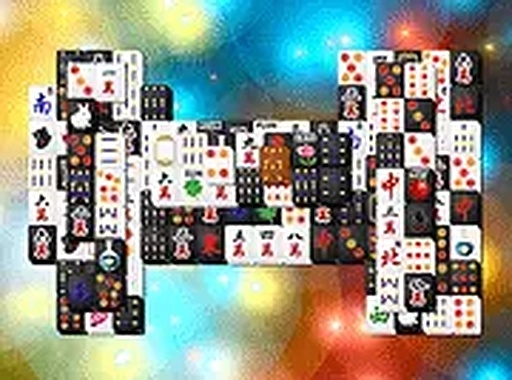
Every tile carries a symbol, and the goal is to remove pairs that share the same symbol. A tile only becomes playable when nothing rests on top of it and either its left or right side is open. That single rule changes how the board reads: you are not scanning for identical pictures alone, but for identical pictures that are also exposed. The result is a layered puzzle where position matters as much as pattern recognition.
Why Black and White Tiles Change the Experience
Stripping color from the tile set removes a layer of visual noise. Symbols stand out by shape rather than hue, which can help players who find busy, multicolored boards distracting. The high-contrast palette also keeps tiles legible on smaller screens, so the same layout works on a phone, tablet, or desktop without losing clarity.
Playing Without a Clock
There is no countdown or time limit. Beginners can study a layout for as long as they need before making a move, while experienced players can push themselves to clear boards efficiently. An optional hint button offers a nudge when a pair is hard to spot, but using it is a choice rather than a requirement, so the challenge stays intact for anyone who wants it.
Access and Session Length
The game runs entirely in a web browser. No installation, account, or download is required, which means a session can start in seconds and pause whenever real life intervenes. That instant-access design suits short breaks as well as longer, deliberate puzzle sessions.









Comments
0 comments