The Pairing Rule
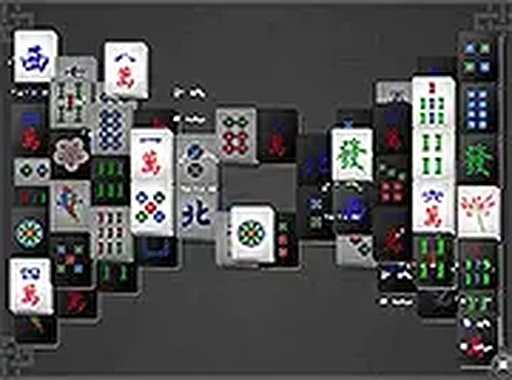
Every move in Symbol Pair Solitaire comes down to one decision: which two tiles to remove. You select a black tile and a white tile that share an identical symbol, but only if both are free. A tile qualifies as free when no other tile sits on top of it and at least one horizontal side—left or right—is unobstructed. The game highlights currently available tiles, so you spend your attention on planning rather than scanning.
What Each Match Changes
Removing a pair clears those two tiles from the layout, which can expose tiles that were previously blocked. That chain reaction is the heart of the puzzle: a match you make now determines which options exist two or three moves later. Because the board shrinks with every successful pair, the arrangement you face at the start is never the arrangement you face at the end.
Three Hundred Handcrafted Layouts
The game ships with 300 distinct stages, each with its own tile arrangement. Early boards introduce the basic pattern with generous open sides, while later stages bury key tiles under layers that demand several moves of foresight. A level select screen lets you return to any stage you have already completed, which is useful if you want to replay a layout with a cleaner route in mind.
Monochrome Design, Browser-First
The interface sticks to a monochrome palette, which keeps symbol shapes readable and removes visual noise. It runs in any modern browser and scales to both desktop and mobile screens, with a full-screen option for players who want fewer distractions. Nothing needs to be downloaded or installed, so a session can start from any device with a browser.









Comments
0 comments