Tap-to-Fly Control and Rhythm
Every tap or click delivers one small upward boost. The bird reacts immediately, so the challenge is not learning the input but managing its frequency. Tap too often and the bird may collide with an obstacle above; tap too slowly and it descends into danger. Finding a sustainable rhythm is the central skill, and that rhythm shifts as the pace increases.
Obstacle Patterns and Rising Pace
As the bird climbs, barriers appear in different configurations. Some sections leave tight gaps that require precise altitude control, while others group obstacles closely enough to demand weaving. The game gradually speeds up, so later runs feel noticeably faster than earlier ones. Each configuration forces a quick adjustment to the flight path rather than a memorized sequence.
Gems, Scoring, and Risk Decisions
Small sparkling gems sit along the ascent. Collecting them raises the score, but they often appear near obstacles or in awkward positions. The scoring system rewards both distance traveled and gems gathered, so players constantly weigh a detour against a safer line. That dual focus keeps a run interesting beyond simple survival.
Visual Tone and Cross-Device Play
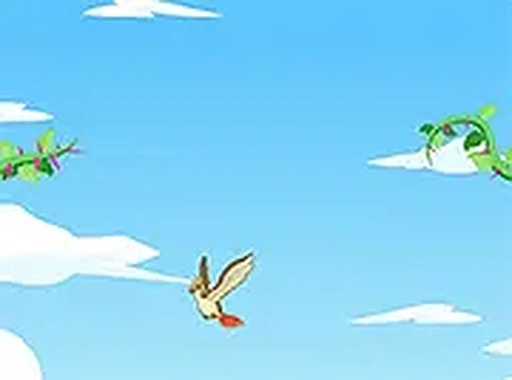
The world is bright and cheerful, with smooth animations and a clean art style. The bird has a friendly design, and the background shifts through soft gradients suggesting a calm, open sky. There are no dark or intense themes. The game runs in a web browser without downloads and works on phones, tablets, and desktops. Touchscreens use taps; computers use mouse clicks. Full-screen mode is available.
Practical Tips for Better Runs
Maintain a consistent tapping rhythm instead of reacting frantically. Watch upcoming obstacles and plan altitude changes in advance. When a gem sits near a hazard, decide whether the points justify the risk. Short, frequent practice sessions tend to build familiarity with obstacle patterns better than long, infrequent ones, and muscle memory makes faster speeds easier to handle.









Comments
0 comments