An Opening Act of Kindness
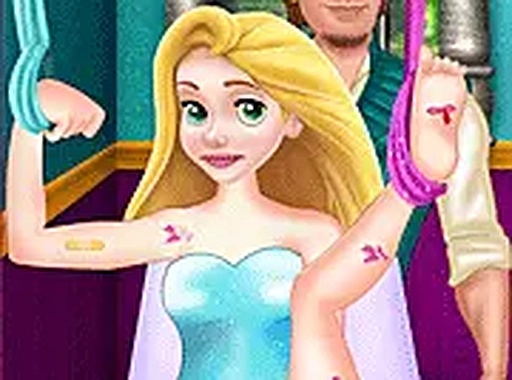
Styling Rapunzel for a Dinner Date starts at an ice skating rink, where a minor accident interrupts the evening. Players step in by applying a bandage and offering comfort, a brief interaction that establishes a caring tone before any styling begins. This sequence is short but deliberate: it frames the rest of the game around empathy rather than competition, and it gives younger players a clear, gentle entry point.
Makeup, Hair, and the Vanity Screen
Once the opening scene ends, play moves to a vanity area. Here the choices are concrete: several lip colors, eye shadows, and blush tones, plus hairstyles that range from braided updos to loose waves. Each hairstyle comes with its own accessory options, such as flowers or ribbons. The interface uses simple tap or click controls, so navigation stays quick and does not require reading long instructions.
Wardrobe Freedom Without Penalties
The wardrobe section offers a mix of elegant gowns and casual chic outfits. Players can combine tops, skirts, and shoes, then add jewelry and handbags. Color coordination and theme consistency are encouraged, but nothing punishes a mismatched or experimental look. That design choice matters: it keeps the focus on personal expression rather than on finding a single correct answer.
Story Cues and Emotional Tone
Flynn's invitation and the romantic dinner setting shape which options feel appropriate, tying each styling decision to the evening's context. The game leans on positive emotions—care, friendship, and self-confidence—and avoids pressure mechanics. There are no time limits and no failure states, so players can revise looks at their own pace. Minimal text and visual prompts guide each step, which makes the experience accessible across ages.










Comments
0 comments