Review
Dice Path Adventure succeeds by focusing on what makes casual board games enjoyable: easy-to-learn rules, a cheerful visual style, and just enough unpredictability to keep players engaged. The special spaces add a welcome twist without overwhelming new players. Sessions are short enough to fit into busy schedules, and the game works equally well with children and adults. It does not try to be a deep strategy game, and that is its strength. For families seeking a low-stress activity that sparks laughter and light competition, this is a solid choice.
Faq
About This Game
Core Gameplay Loop
Each player takes turns rolling a single die. The number shown determines how many spaces their token advances along a colorful, winding track. The first player to land exactly on the final space wins. The rules are straightforward enough that a child can grasp them in seconds, yet the random element keeps every round feeling fresh.
Special Spaces and Surprises
Scattered along the path are marked spaces that trigger unique effects. Some may let you leap forward several spaces, while others might require you to slide backward. These spaces add a layer of unpredictability and light decision-making. Players must decide whether to take a risky route that includes more special spaces or stick to a safer, more predictable path.
Visual Design and Atmosphere
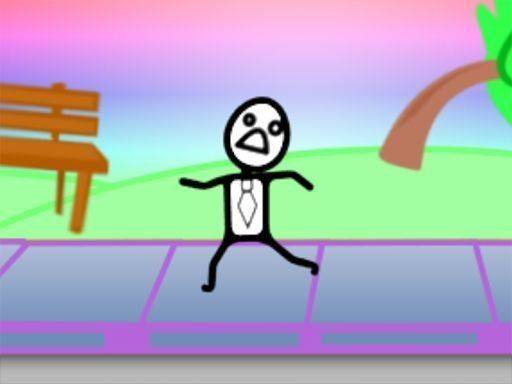
The board uses bright, cheerful colors and simple illustrations that appeal to a wide age range. Tokens are easy to distinguish, and the die is large and clearly numbered. The overall aesthetic is inviting and non-threatening, making it suitable for young children and adults alike. The design encourages a relaxed, social atmosphere rather than intense competition.
Session Length and Flexibility
A typical game lasts between 10 and 20 minutes, depending on the number of players. This makes it ideal for quick breaks, waiting periods, or as a warm-up activity. The game can be played with two to four players, and solo variants exist where a player tries to beat their own best time. No lengthy setup or cleanup is required.
Strategic Elements Beneath the Luck
While the outcome is heavily influenced by dice rolls, observant players can gain an edge. Memorizing the positions of special spaces and planning a route that maximizes beneficial landings is a subtle skill. Experienced players learn to adapt their strategy based on the current standings, sometimes choosing to play conservatively or take calculated risks depending on the situation.
✅ Compatibility & Testing
You May Also Like
Territory Guardian Action Game
Action , Strategy
Pet Nurturing and Friendly Match Journey
Casual , Pet Simulation , Strategy , Adventure , Family
Mush-Mush Nature Music Creator
Fandom , Decoration , Kids , Music , Creative , Cartoon
Creative Artist Puzzle Game
Skill , Puzzle , Creativity , Art , Strategy , Focus
Galactic Teamwork Challenge
Multiplayer , Space , Teamwork , Strategy
Airport Team Challenge 3D
Gear , Team , Strategy
Sky Roller Obstacle Runner
Action , Racing , Skill , Casual , Reflex
Bright Block Puzzle Challenge
Action , Puzzle , Casual , Family , Brain Training
Labuba Halloween Festival Adventure
Adventure , Halloween , Casual , Family
Comments
0 comments