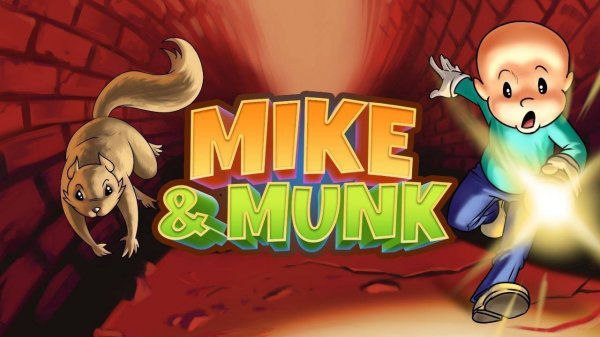
Tunnel Teamwork: Logic Escape
Review
Tunnel Teamwork: Logic Escape stands out for its thoughtful level design and clear communication of mechanics. Each room feels like a new logic problem rather than a reflex test. The two-character system is intuitive and encourages creative thinking. The lack of time pressure makes it accessible to all ages. The bonus puzzles add satisfying depth for experienced players. A polished, non-violent puzzle game that delivers exactly what it promises.
Faq
About This Game
Core Gameplay Loop
Players control two distinct characters, each with unique physical traits. The larger character can push heavy crates and pull large levers. The smaller character can squeeze through tight gaps and climb to elevated platforms. Every room presents a new arrangement of obstacles that require both characters to act in sequence. For example, one character might hold a button to keep a door open while the other dashes through to reach a switch on the far side. The puzzles are built around timing and spatial reasoning, not speed or reflexes.
Level Design Philosophy
The underground setting is divided into distinct chambers, each with its own theme. Some rooms feature old conveyor belts and gears, while others have water channels and collapsing floors. The environment itself tells a story of an abandoned industrial site. Puzzles gradually introduce new elements, such as timed pressure plates and color-coded locks. The difficulty curve is gentle, allowing players to learn each mechanic before combining them. There is no penalty for failure; players can retry any puzzle instantly.
Character Dynamics
The two characters do not have names or backstories, which keeps the focus on their functional roles. The strong character can also serve as a platform for the smaller one to reach higher areas. The smaller character can activate switches that are out of reach for the larger one. This interdependence means that every puzzle requires both characters to be involved. Players can switch between them at any time, or a second player can take control of one character for local cooperative play.
Visual and Audio Atmosphere
The art style uses bright, cartoony graphics with clear visual cues. Switches are highlighted in distinct colors, and pathways are clearly marked. The sound design includes gentle ambient noises like dripping water and distant machinery. There is no background music that could be distracting. The overall tone is calm and exploratory, encouraging players to take their time. The interface is minimal, with only a small icon showing which character is currently selected.
Progression and Replayability
The game is structured as a linear series of rooms, but players can revisit any completed room to try for a faster completion time. There are no collectibles or hidden items. The main appeal is the satisfaction of solving each puzzle. After finishing the main path, there is a bonus set of harder puzzles that combine all mechanics. These bonus rooms are designed for players who want an extra challenge. The total playtime is around 4 to 6 hours for a first playthrough.
Compatibility
You May Also Like
Festival Fund Chase Platformer
Action , Adventure , Platformer
Tallest Runner Arcade Game
Arcade , Fun , Endless Runner , Platformer , Action , Casual , Single Player , Reflex
Bumper Catch Puzzle
Casual , Puzzle , Arcade , Family-Friendly , Reflex , Coordination
Penguin Jump Arcade Adventure
Adventure , Arcade
Color Connect Logic Puzzle
Puzzle , Logic , Drawing
Ben 10 World Rescue Adventure
Action , Adventure
Braindom Logic Puzzle Game
Logic , Funny , Puzzle
Merge Number Blocks Puzzle
Puzzle , Logic , Match 3
Kanaksia 2: Strawberry Quest
Adventure , Arcade , Platformer , Collection , Family
Comments
0 comments