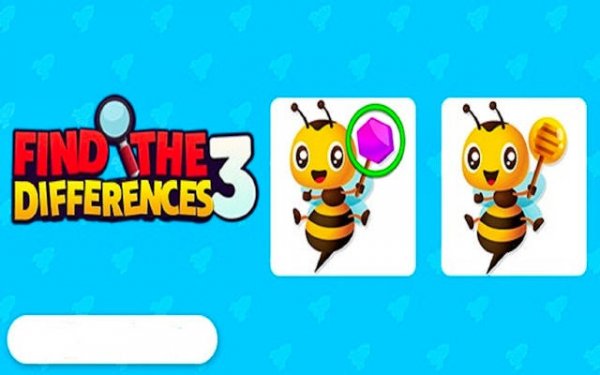
How the Comparison Works
Each level places two nearly identical pictures side by side. Your only job is to examine both images and tap any spot where something looks different. Every scene contains exactly three alterations, so the search has a clear finish line. When you correctly identify a change, the game marks it on screen, which helps you track what you have already found and what remains.
No Clock, No Pressure
There is no countdown timer. You can study a scene for as long as you like, which makes the game easy to pick up during a short break or stretch across a longer session. The absence of time pressure also shifts the focus toward careful observation rather than speed, so the experience leans toward unwinding instead of competing.
Scene Variety and Visual Style
The levels move between cozy indoor settings and broad outdoor landscapes. One scene might be a quiet garden corner, another a bustling market stall. Because each level introduces a new visual theme, the game avoids the repetition that can wear down spot-the-difference titles. The artwork stays clear and inviting, with enough detail to make the search engaging without overwhelming the eye.
Difficulty Curve and Hints
Early levels use obvious differences, giving newcomers room to get comfortable with the tap-and-compare mechanic. As you progress, the alterations become subtler, showing up as color shifts, missing objects, or repositioned elements. If you get stuck, a hint feature can reveal one difference per level. That support is limited, so it works as a safety net rather than a shortcut.
Who This Suits
The simple interface and lack of complex menus make the game accessible to players of all ages. Families can pass a device around, and solo players who enjoy visual puzzles or brain training will find a low-stress routine here. The gradual difficulty increase means both beginners and experienced puzzle fans can find a comfortable pace.









Comments
0 comments