Constructing Your Machine
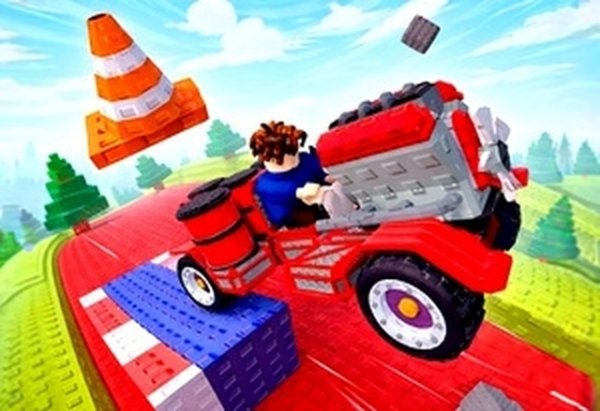
The building phase is the foundation of every session. Players place parts onto a grid to form a functional flying craft. The grid system means placement matters: where a part sits affects how the finished machine behaves in the air. Early assembly tasks are straightforward, giving newcomers room to understand how parts connect and balance. As players grow comfortable, the game introduces more complex design possibilities, so the same grid can support both simple gliders and elaborate contraptions. This progression keeps the building system approachable without capping what experienced players can attempt.
Flight Scenarios and Objectives
Once a vehicle is assembled, it launches into an aerial scenario. Each scenario sets objectives that might involve reaching a destination or performing specific maneuvers. The environment itself shapes the challenge, and different environments keep sessions from feeling identical. Players must combine their design choices with real-time control during flight. A craft that looks efficient on the grid can behave unpredictably once physics take over, which is where the puzzle element lives. Pausing is available, but the game rewards focus and timely decisions rather than hesitation.
Controls and Session Flow
Keyboard or mouse inputs handle both the building grid and in-flight control. The interface is built for fast browser play, so players can move from assembly to flight without navigating menus. Sessions are designed to be short, making the game suitable for a quick break or a longer sitting. The difficulty curve starts gently and adds more demanding scenarios as players progress. Because scenarios and objectives change between sessions, returning players encounter different combinations rather than repeating the same task.
Approaching Each Attempt
Observing the environment before committing to a flight often reveals a simpler route. Learning from a failed attempt and adjusting the design or approach is more effective than repeating the same build. Focusing on primary objectives before optional rewards keeps sessions efficient. Early stages are the best place to master the building grid and controls without pressure, since later scenarios assume familiarity with both.




Comments
0 comments