Signal-Based Running
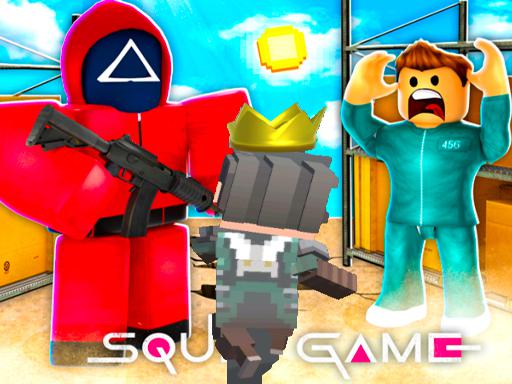
Stop and Go Arcade Runner turns a basic traffic-light rule into a reflex test. Your character advances while the signal is green. The moment it flips to red, any forward movement means elimination. That single constraint shapes every decision: you are not just running, you are constantly reading the light and preparing to halt. The tension comes from how quickly the signal can change and how little room you have to react.
Lane Switching and Obstacles
Taps change your lane, which serves two purposes. First, you use them to dodge barriers placed along the track. Second, you use them to pass rival runners competing for the same space. Because stopping is mandatory on red, lane choice often determines whether you are stuck behind a cluster of opponents or have a clear path when the light turns green again. Each stage introduces new obstacles and hurdles, so the same tap that saved you earlier may not work later.
Stage Progression and Difficulty
The game is divided into multiple stages, and difficulty rises as you advance. New characters appear, and the mix of obstacles becomes less predictable. Early stages may let you rely on raw reaction speed, but later ones reward players who learn the rhythm of each stage and plan lane changes before the signal changes. The competition also tightens, meaning a single mistimed stop or a poorly chosen lane can cost you the lead.
Who This Suits
With simple controls, a family-friendly theme, and no violent content, Stop and Go Arcade Runner fits players of most ages. The appeal is not depth but precision: steady nerves, fast reflexes, and the willingness to practice the timing until the light changes stop catching you off guard. If you enjoy arcade runners that demand sharp reactions rather than long sessions, this one is built around that exact skill.









Comments
0 comments