
Simple Controls, Immediate Play
Castle Quest Arcade Fun uses mouse or touch input as its primary control method. There is no complex command list to memorize; on-screen prompts appear during each round to explain the current objective. This design lets new players begin within seconds, which suits the game's casual, all-ages target. The absence of a steep learning curve means the challenge comes from completing tasks rather than mastering inputs.
Round Structure and Task Design
Each round presents a small set of tasks or challenges that can be finished quickly. Rounds are intentionally short, so a session can last a few minutes or stretch across a family gathering without requiring a long commitment. The tasks themselves are straightforward, and the game avoids punishing failure or adding stressful timers. This pacing keeps the experience light and makes it easy to stop and resume later.
Playing Together
Cooperative play is a supported option. Friends and family can join in, turning the game into a shared activity rather than a solo exercise. Because the rules are minimal and the controls are accessible, players of different ages or skill levels can participate in the same round without one person dominating. The cooperative element is social rather than competitive, which aligns with the game's overall tone.
Presentation and Tone
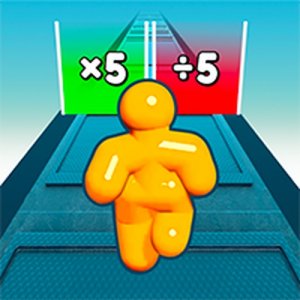
Visuals are pleasant and sound effects are designed to be welcoming. The game does not aim for realistic graphics or intense audio; instead, it uses a charming style that reinforces the relaxed atmosphere. This presentation supports the family-friendly goal and helps the game feel appropriate for younger players or anyone seeking a break from more demanding titles. The overall experience prioritizes enjoyment and shared laughs over high scores or pressure.









Comments
0 comments